Featured Stories
-
Under the Quiet, Beyond the Eye
Stamps Gallery kicks off the fall 2026 semester with an ambitious mid-career survey of interdisciplinary artist Cosmo Whyte. Born and raised in Jamaica, Whyte completed a BFA from Bennington College and earned an MFA from the University of Michigan.
-
A Living Language
The language of the Aztecs lives on in words you use every day, among more than a million speakers, and in a class at LSA that teaches far more than just grammar.
-
Fighting stage fright with VR
The University of Michigan’s Piano Lab Pro uses virtual reality to help students decrease music performance anxiety, or MPA, as they create and repeat the live performance experience, gaining comfort with the space, the acoustics of the hall and the challenges of audience distraction.
-
Michigan Arts Festival
With over 300 student organizations, more than a dozen galleries and exhibition spaces, a packed performance schedule from the School of Music, Theatre & Dance and beyond, new exhibits at the U-M Museum of Art and other campus museums, there is no shortage of inspiration to be found. The month-long festival is a small snapshot of the endless arts opportunities open to the U-M community.
- 19 schools and colleges — see complete listsee complete list
-
Art at work
"We Hold These Truths," Holly Bass’ largest exhibition to date, marks the return of visitors to UMMA’s iconic Lizzie and Jonathan Tisch Apse, following a nearly year-long renovation of its signature marble floor, transforming the storied space into a sequence of encounters with rooms, replicas and acts of writing that move through the nation’s past and present.
Learn more about the exhibition
News
News
- Beyond the whiteboard: Scaling AI—without losing the human
- Early voting open at U-M: 2 voting hubs, 20+ new Ballot Education Stations
- Antibody shuttles could deliver noninvasive drugs directly to brain to treat Alzheimer's
- U-M to improve pedestrian, vehicle safety at intersections with $5.66M from USDOT
- As concerns over purchasing power dominate, consumer sentiment moves sideways
Visit Michigan News
Visit The University Record
In The News
- The Conversation AI chatbots can be a valuable health resource for older adults—if they embrace 'informed skepticism'
- Forbes Asics partners with University of Michigan on footwear research
- Associated Press To make AI morally good, tech companies are turning to religion. But some say it isn't that simple
- Business News This Week (India) Cleaner brick kilns cut pollution, but gains did not reach workers, U-M research finds
View more In The News
Videos


Happening @ Michigan
Events
-
Oct 27 Sponsored by ITS Instructional Support Critical Challenges in Generative AI: Academic Integrity, Bias, Responsibilities, and Risks Off Campus Location

- Oct 28 Trotter Distinguished Leadership Series: The Student Debt Crisis: Relief, Reform, and Repayment
- Oct 29 Make it Accessible: InDesign to PDF Best Practices
- Oct 29 Reimagining Work as a Product Designed for Workers
- Oct 30 Halloween on the Diag with Camp Michigania
- Oct 27 Pumpkin Painting at the TSC for Transfer Student Week
Visit Happening @ Michigan
Academic Calendar
-
- Nov 25-27
-
- Dec 11
-
- Dec 12-13
-
- Dec 14-18, 21
-
- Dec 20
-
- Jan 13
-
- Jan 18
View Complete Calendar
Carpe Diem


All Michigan, all the time
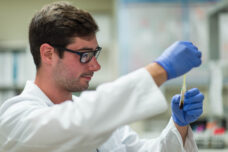
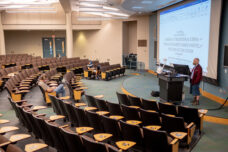
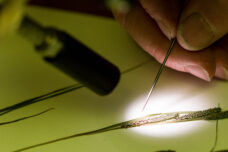
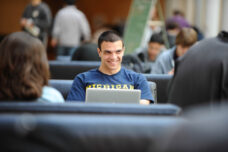
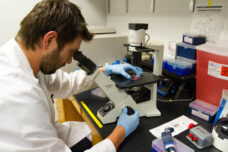
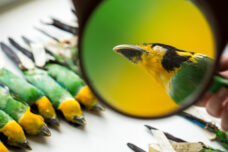
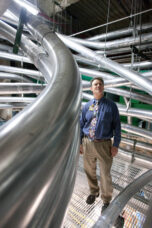
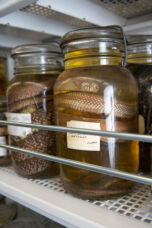
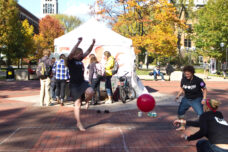
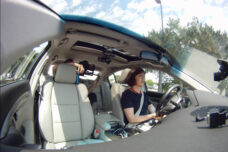
There’s always something amazing happening at Michigan. Whether it’s on campus or around the world, our students, faculty, staff and alumni are out seizing the day. A sampling of images captured over the years is shown in the gallery below.
-
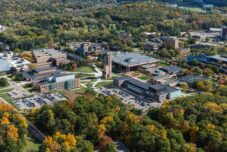 6:41 am
-
 6:34 am
-
 6:10 am
-
 6:27 am
-
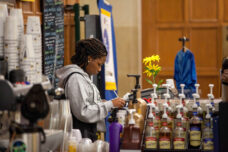 7:02 am
-
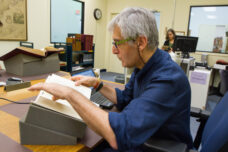 8:35 am
-
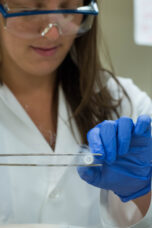 8:11 am
-
 8:49 am
-
 8:57 am
-
 8:02 am
-
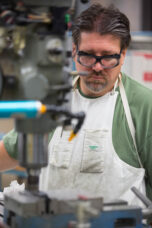 8:31 am
-
 9:16 am
-
 9:20 am
-
 9:10 am
-
 9:33 am
-
 9:47 am
-
 10:46 am
-
 10:28 am
-
 10:56 am
-
 10:49 am
-
 12:15 pm
-
 1:29 pm
-
 1:41 pm
-
 1:01 pm
-
 1:42 pm
-
 1:42 pm
-
 1:04 pm
-
 2:16 pm
-
 2:54 pm
-
 2:42 pm